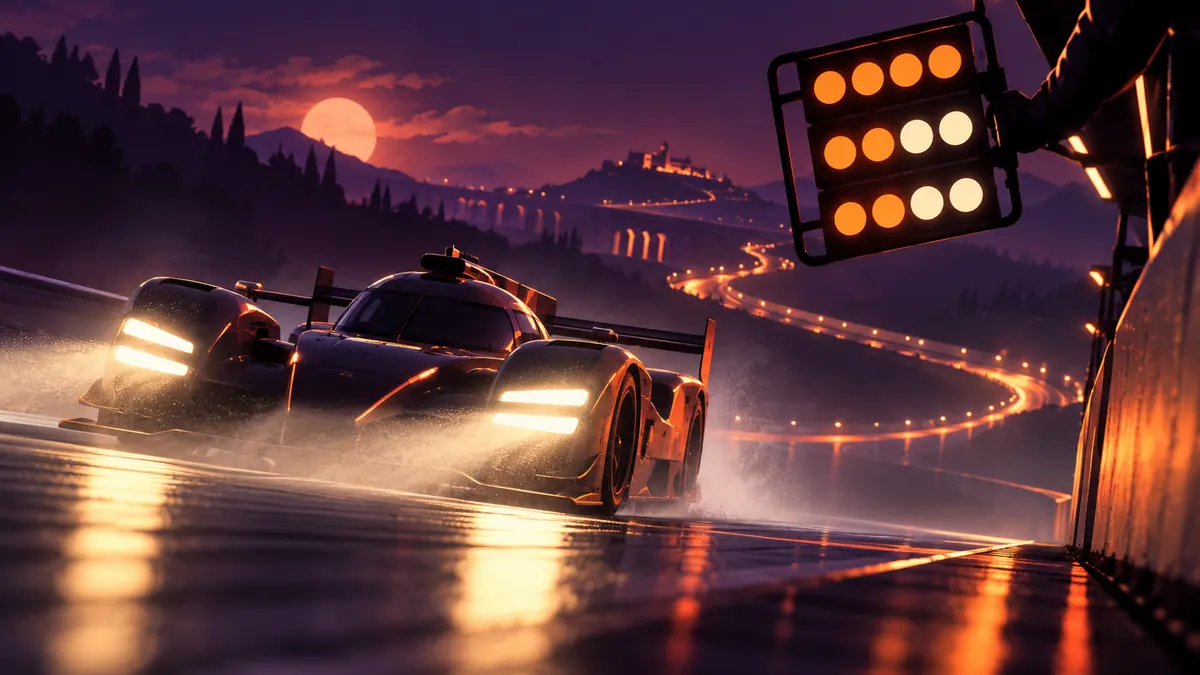
Gran Turismo's endurance obsession is really about consistency, not speed
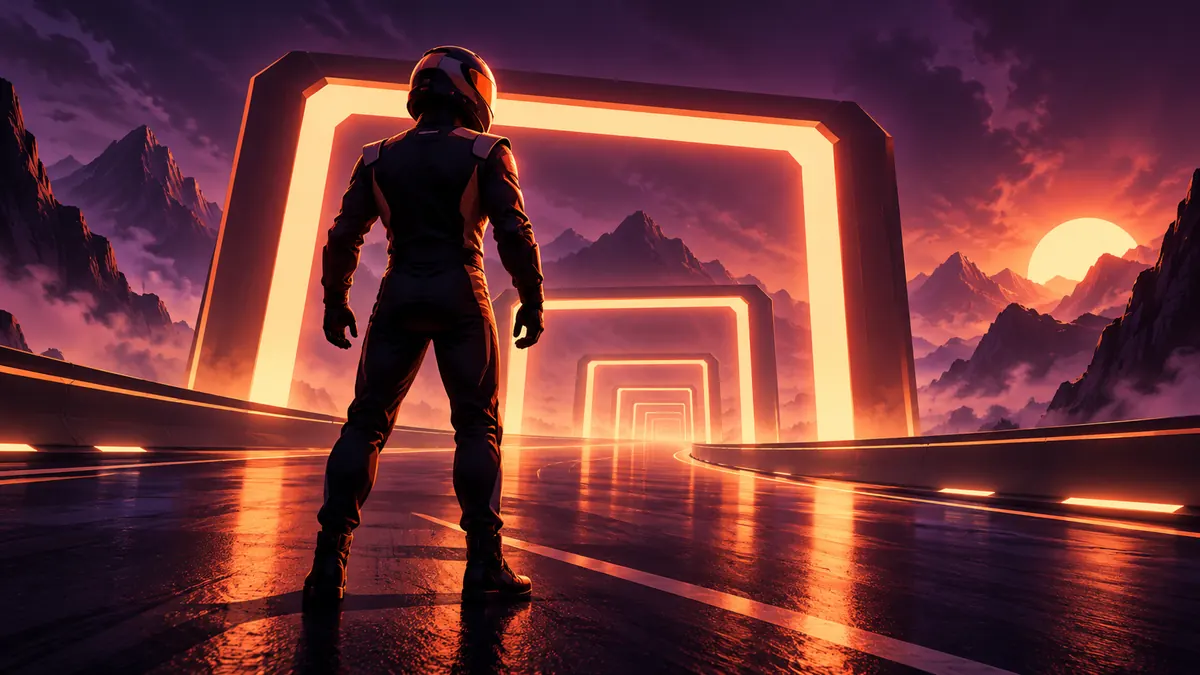
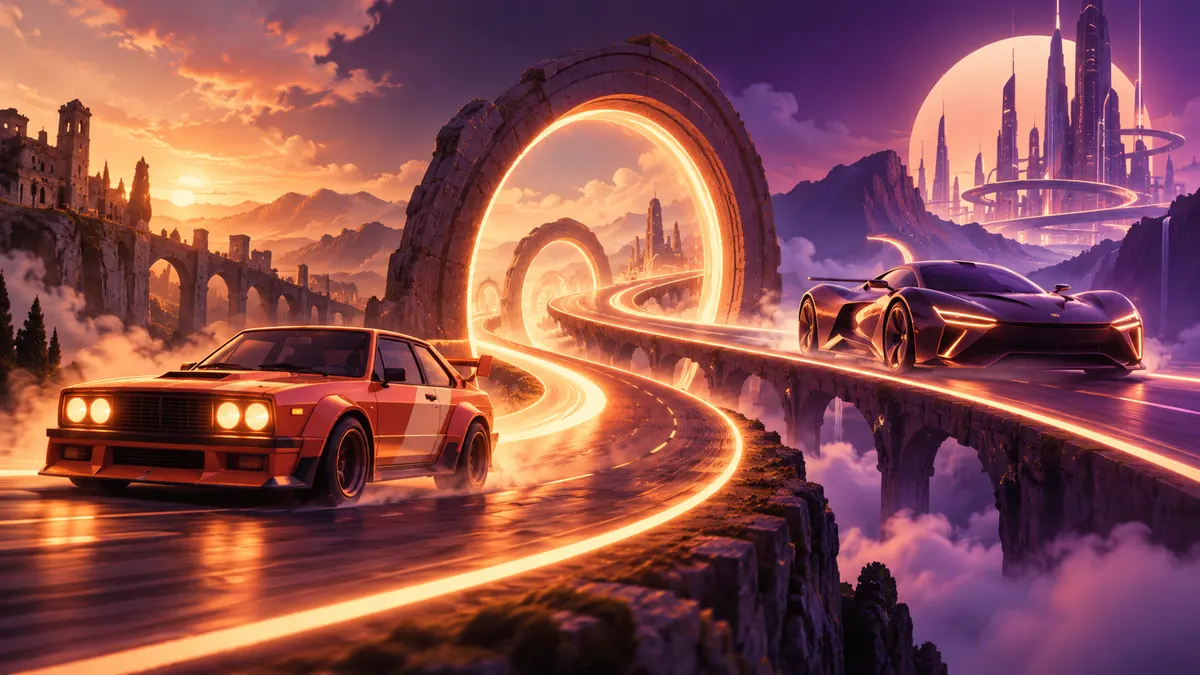
Long races expose the part of driving games that a hot-lap leaderboard can hide: repeatability.
Long races expose the part of driving games that a hot-lap leaderboard can hide: repeatability.
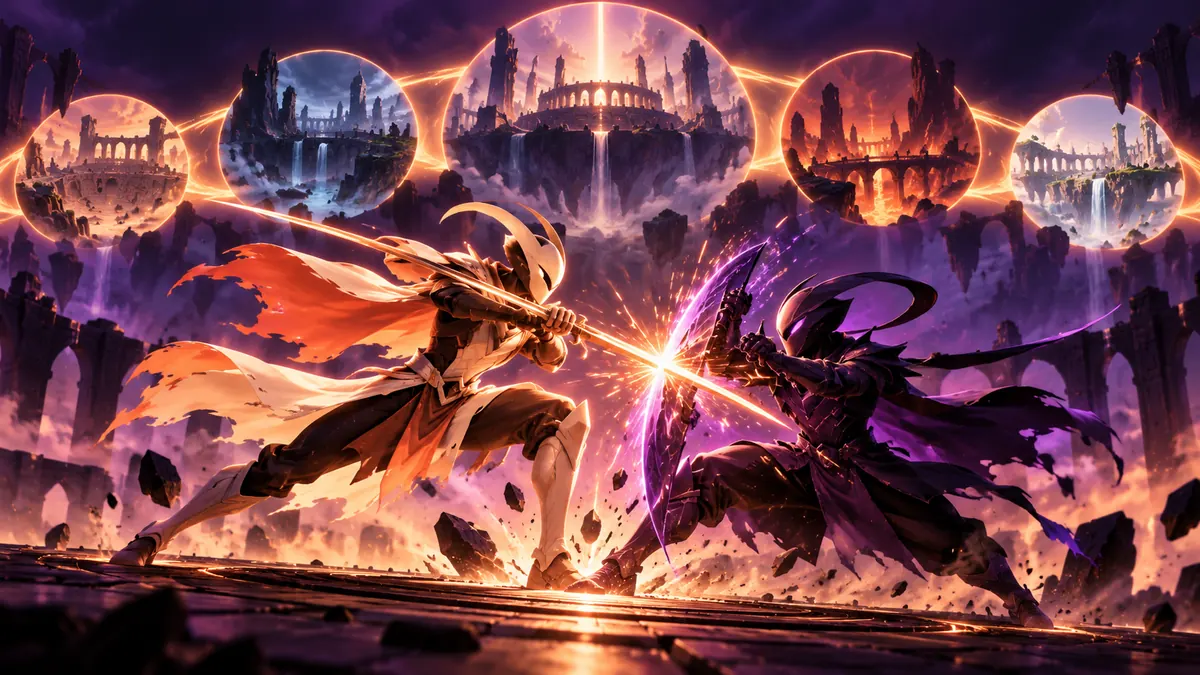
Fighting games turned a small move set and shared screen into a deep competitive language where spacing, timing and matchup knowledge matter as much as combo length.
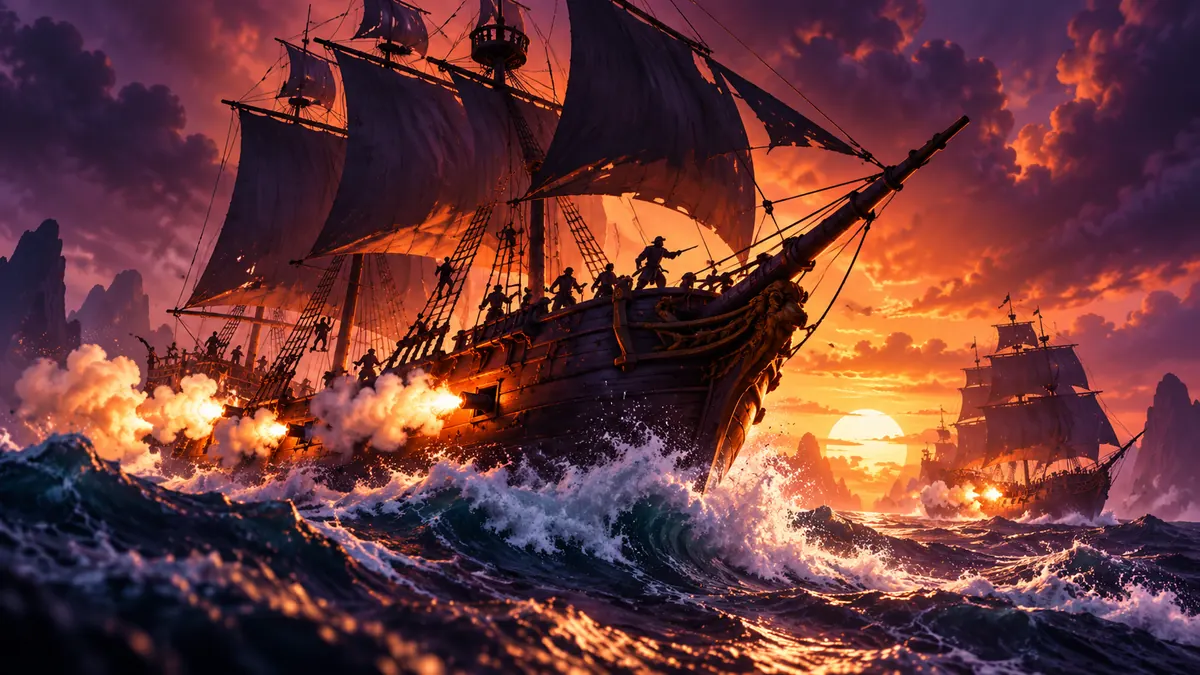
Black Flag became memorable because sailing, crew life and naval combat created a fantasy strong enough to stand beside the series' usual stealth identity.
Licence tests turn small pieces of driving technique into discrete challenges, making improvement visible one corner at a time.
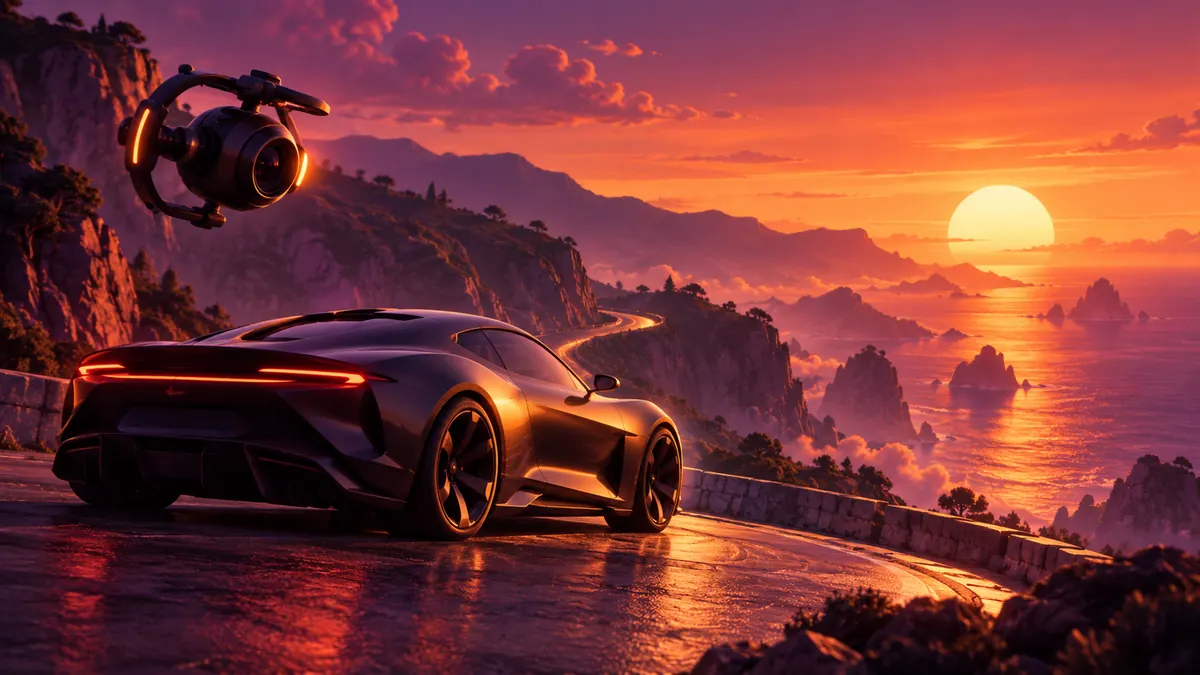
Scapes works because Gran Turismo treats looking at cars as an activity with its own goals, not a pause between races.
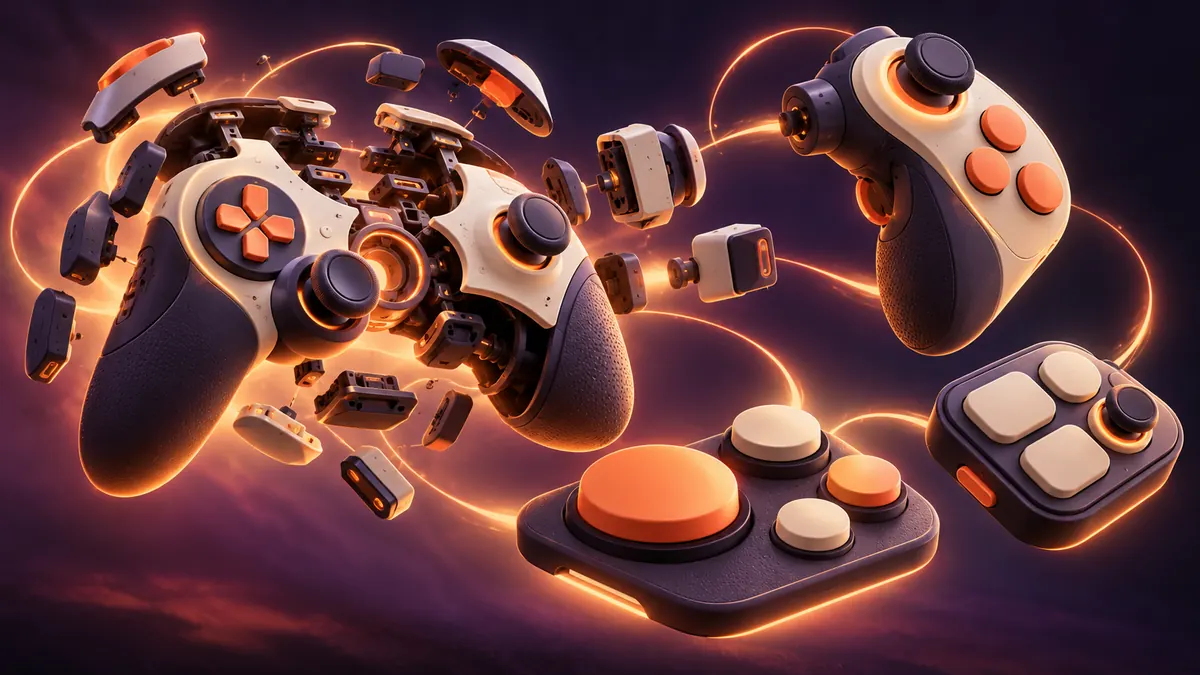
Modern controllers are no longer one-size-fits-all objects; compatibility, remapping and adaptive hardware have turned input into an ecosystem.
The most interesting part of Fallout 76's history is not one redemption moment but the decision to keep rebuilding systems in public.
Pokémon GO keeps turning real-world movement into different social structures: routes, raids and parties all use the map differently.
Forza Horizon 6 uses an open-world festival structure to make collecting, exploring and racing parts of the same loop rather than separate menus.
The modern God of War games turned the feel of combat into part of Kratos's character rather than treating fighting as a separate layer.