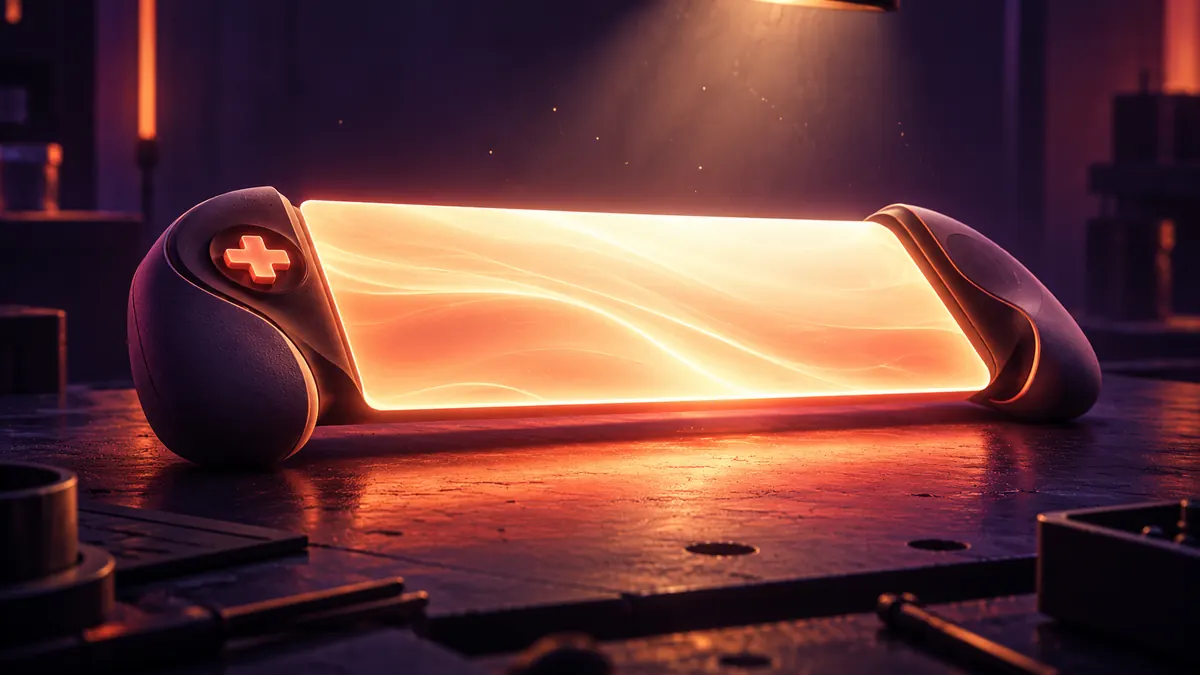
The Retroid Pocket Duo you can buy today is not quite the one that was reviewed at launch. In an update video, Russ from Retro Game Corps revisits the handheld after a couple of significant emulation updates, and his headline is big gains in 3DS and PS2 performance. None of it comes from Retroid. It comes from community driver work and emulator developers.
That's worth dwelling on, because it's how Android handhelds increasingly mature: the hardware ships, and the software around it keeps moving.
The drivers behind it
The key piece is a set of third-party Turnip Duo graphics drivers, version 5.1, aimed at the Adreno 722 GPU in the Duo. Russ introduces them at 0:30 and links the release in his description. Turnip drivers are open-source replacements for the stock graphics drivers on Adreno chips, and emulators that let you load a custom driver can pick them up directly.
3DS: a higher resolution recommendation
The practical change is in the Azahar 3DS emulator. Russ now recommends raising internal resolution to 3x, or 720p, rather than the 2x he suggested before, and walks through installing the driver and setting up Azahar's graphics and debug options from 1:33.
Two of his choices stand out. He turns hardware shaders off by default in Azahar's debug menu, saying it gives smoother play without stutters in most games. And he leaves Disable Right Eye Render off for wider compatibility, even though turning it on can help performance a little. The gameplay section at 3:26 shows games including The Legend of Zelda: A Link Between Worlds and Animal Crossing: New Leaf at 3x, before he covers titles that need specific tweaks.
The weak spot is software, not silicon. Russ calls the lack of per-game settings in Azahar a bummer, since some games need hardware shaders toggled by hand.
PS2: one emulator for most games
The second big change is ARMSX2. Russ covers from 9:56 how its latest update can download and install its own Turnip driver from inside the app. He then tests demanding PS2 games at 2x resolution, including God of War II and Shadow of the Colossus. His conclusion is that Duo owners no longer need to switch between PS2 emulators, because ARMSX2 handles most titles well.
In between, from 7:04, he runs a quicker pass over original Xbox, Wii U and Switch emulation, with mixed results that he presents as a snapshot rather than a recommendation.
Why it matters
This is the part of the handheld market that reviews struggle to capture. A score at launch freezes a device at its worst-supported moment, and for Android emulation handhelds the curve after launch can be steep. The Duo's improvements here came from outside the company that made it, which is both the strength and the risk of the category: the gains are real, but they depend on volunteers continuing to care.
The early comments were enthusiastic, and many came from people still waiting for their Duo to ship who were glad to hear it would arrive in better shape. Plenty asked for the starter guide Russ previews at the end. One comment pointed to per-app settings coming to Azahar on Android, which, if it lands, would fix the exact gap he flags.
From the creators
Watch the video
Reporting notes